French & Italian Courses Online
GCSE | A-Level |LinguaThinking


Complete courses in French and Italian: IGCSE, GCSE, A Level
LinguaThinking offers complete, online one-to-one courses in French and Italian for independent candidates at GCSE, IGCSE and A-Level, including students both within and outside of mainstream school provision. All GCSE and A-Level teaching on these courses is delivered by LinguaThinking.
Programmes account for individual academic needs while ensuring rigorous and in-depth engagement with the syllabus. Teaching foregrounds linguistic precision, fluency, cultural understanding and critical thinking, and is informed by a close understanding of assessment frameworks. Lessons are designed to foster academic confidence and independence in students, while developing skills relevant to further study and human interaction, as well as encouraging wider cultural and intellectual curiosity. LinguaThinking views languages as a skill for life: a subject that students should enjoy and find deeply rewarding.
Classes can be organised to accommodate student timetables and commitments, including international time zones.
Details regarding programme structure and practical arrangements are available to download in a separate document.
Further information:
Where there is sufficient interest, small group lessons may also be offered.

French Courses
GCSE French
GCSE French develops students’ ability to understand and communicate confidently in French while building an awareness of French-speaking culture and society. Students study the language in a range of everyday and global contexts, learning to express opinions, describe experiences and discuss ideas with increasing accuracy and independence.
Core themes typically include identity and relationships, daily life, education and work, free-time activities, holidays and travel, as well as wider social issues such as technology, the environment and global challenges. Students learn about life in French-speaking countries, including customs, traditions and social attitudes. Alongside these topics, students develop grammatical knowledge and expand their vocabulary to support clear and effective communication.
Assessment covers all four language skills — listening, speaking, reading and writing.
GCSE and IGCSE courses in French are offered in preparation for the AQA, Pearson Edexcel or Cambridge examinations, depending on requirements of the student.
Cultural Immersion Online
LinguaThinking courses include immersive approaches to language learning in which cultural experience plays a central role. These experiences deepen linguistic understanding and support meaningful engagement with language and culture, including online contexts.
LinguaThinking seeks to extend subject knowledge through enrichment activities, including engagement with cultural traditions, virtual cultural visits, concerts and screenings, academic lectures on literary works and film, and critical discussion of contemporary French media.
A Level French
Studying A Level French enables students to build their linguistic proficiency and develop a deeper appreciation of the cultures and societies of French-speaking countries.
The course examines how French-speaking societies have been shaped by social and cultural influences, and how they continue to evolve. In the first year, students explore topics such as the changing role of the family; technological change and the role of voluntary work, alongside elements of artistic and cultural life in French-speaking countries. In the second year of the course, students address complex current issues such as marginalisation, the positive benefits of diversity, and criminality. Students also investigate the French political landscape, youth engagement in politics, and explore how public voice is expressed through collective action.
Language learning therefore takes place within a real-world cultural context and students are encouraged to compare social issues in France with those of other francophone countries. Students study literary works and film and are given the opportunity to undertake independent research in a topic of their choosing.
This course description refers to the AQA French syllabus, although Edexcel and Cambridge International can also be accommodated depending on student requirements.

Italian Courses
GCSE Italian
GCSE Italian introduces students to the Italian language through practical communication and cultural exploration. The course focuses on helping students understand and use Italian in real-life contexts, developing the confidence to speak, listen, read and write with accuracy and fluency.
Students study a range of themes connected to personal life and the wider world, including family and relationships, school and future plans, leisure activities, travel and everyday routines. Broader topics such as digital technology, environmental issues and global concerns are also explored, allowing students to discuss contemporary ideas and develop more extended responses. Throughout the course, grammar and vocabulary are taught systematically to support clear and effective communication.
An understanding of Italian culture is woven throughout the course. Students learn about life in Italy and Italian-speaking communities, gaining insight into traditions, social customs and attitudes. Assessment is designed to reflect practical language use and evaluates listening, speaking, reading and writing skills equally.
GCSE and IGCSE courses in Italian are offered in preparation for the AQA, Pearson Edexcel or Cambridge examinations, depending on requirements of the student.
Cultural Immersion Online
LinguaThinking courses include immersive approaches to language learning in which cultural experience plays a central role. These experiences deepen linguistic understanding and support meaningful engagement with language and culture, including online contexts.
LinguaThinking seeks to extend subject knowledge through enrichment activities, including engagement with cultural traditions, virtual cultural visits, concerts and screenings, academic lectures on literary works and film, and critical discussion of contemporary Italian media.
A Level Italian
An A Level in Italian enables students to develop their linguistic skills alongside an exploration of key social, cultural, political and historical developments in Italy and the Italian-speaking world, helping students understand how Italian society has evolved and continues to change.
Topics include the evolution of the Italian family, changing attitudes to marriage and family life, and the phenomenon of mammoni. Students also explore the education system and challenges faced by young people, including la fuga dei cervelli, (a significant outflow of young, educated Italians seeking opportunities abroad), alongside developments in the world of work such as gender equality, unemployment, family-run businesses and new working models. Students also study political and artistic culture across Italian-speaking countries and communities; the development and influence of music, its impact on popular culture, and the role of the media, including freedom of expression in print and online journalism. Cultural heritage is explored through festivals, traditions and everyday cultural practices.
A final section focuses on Italy as a society in transition and its modern history. Students examine the impact of immigration, challenges linked to migration and the divide between Northern and Southern Italy, before exploring the rise of Fascism, life under Mussolini during the Second World War, and Italy’s transition from dictatorship to democracy with the establishment of the Italian Republic.
The course includes the study of popular literary texts and films (both contemporary and more classical titles) and an individual student research project.
Students will sit the Pearson Edexcel A Level in Italian.
Further details on studying Italian A Level with Linguathinking can be found here.
LinguaThinking courses include immersive approaches to language learning through online enrichment opportunities where cultural experience plays a central role. These experiences deepen linguistic understanding and help students engage with language in meaningful ways, both academically and in real-world contexts.
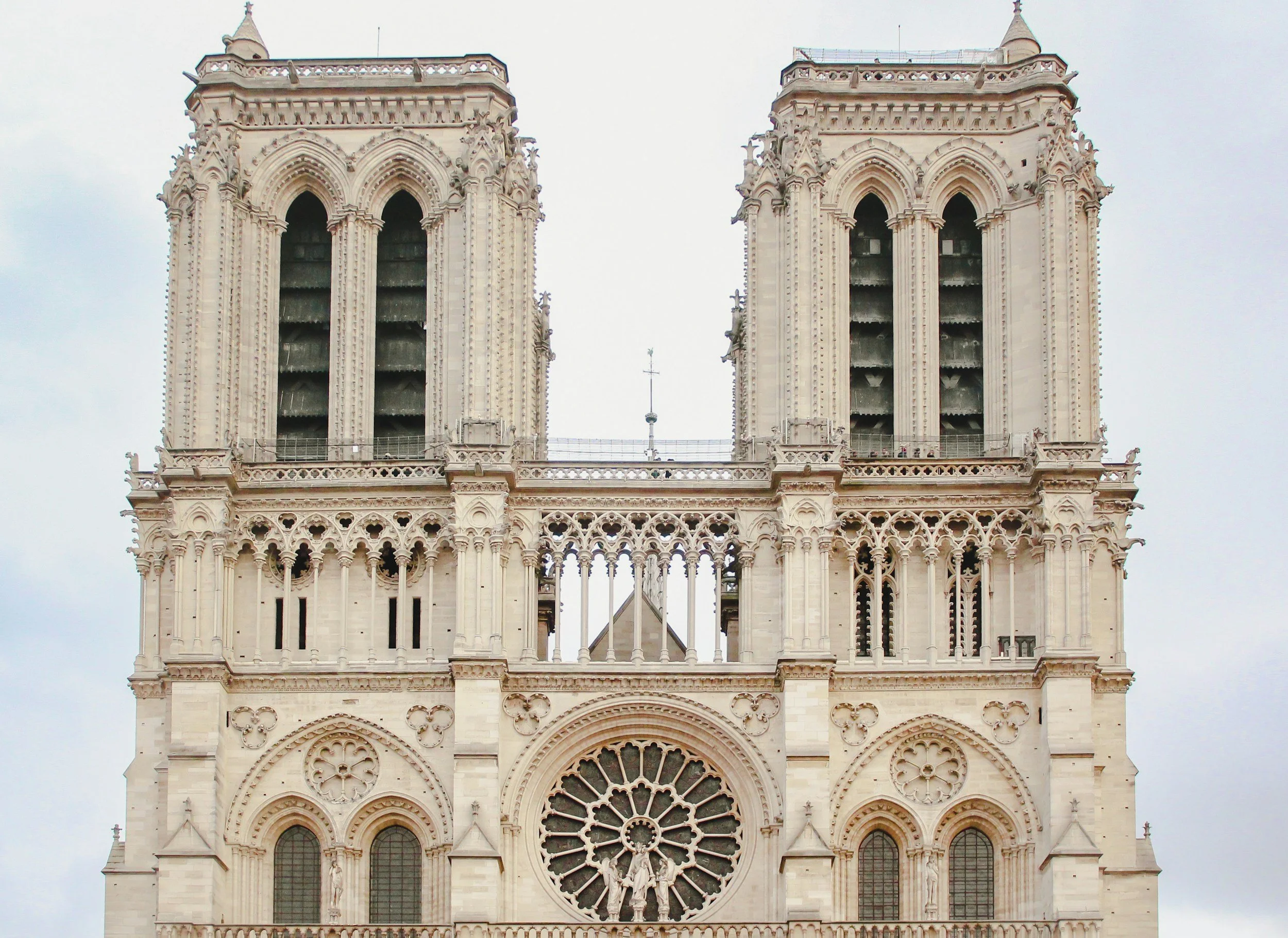
Notre Dame de Paris - Visite Virtuelle

Live performances of le Festival international de la chanson française
Cultural Immersion and Enrichment Experiences
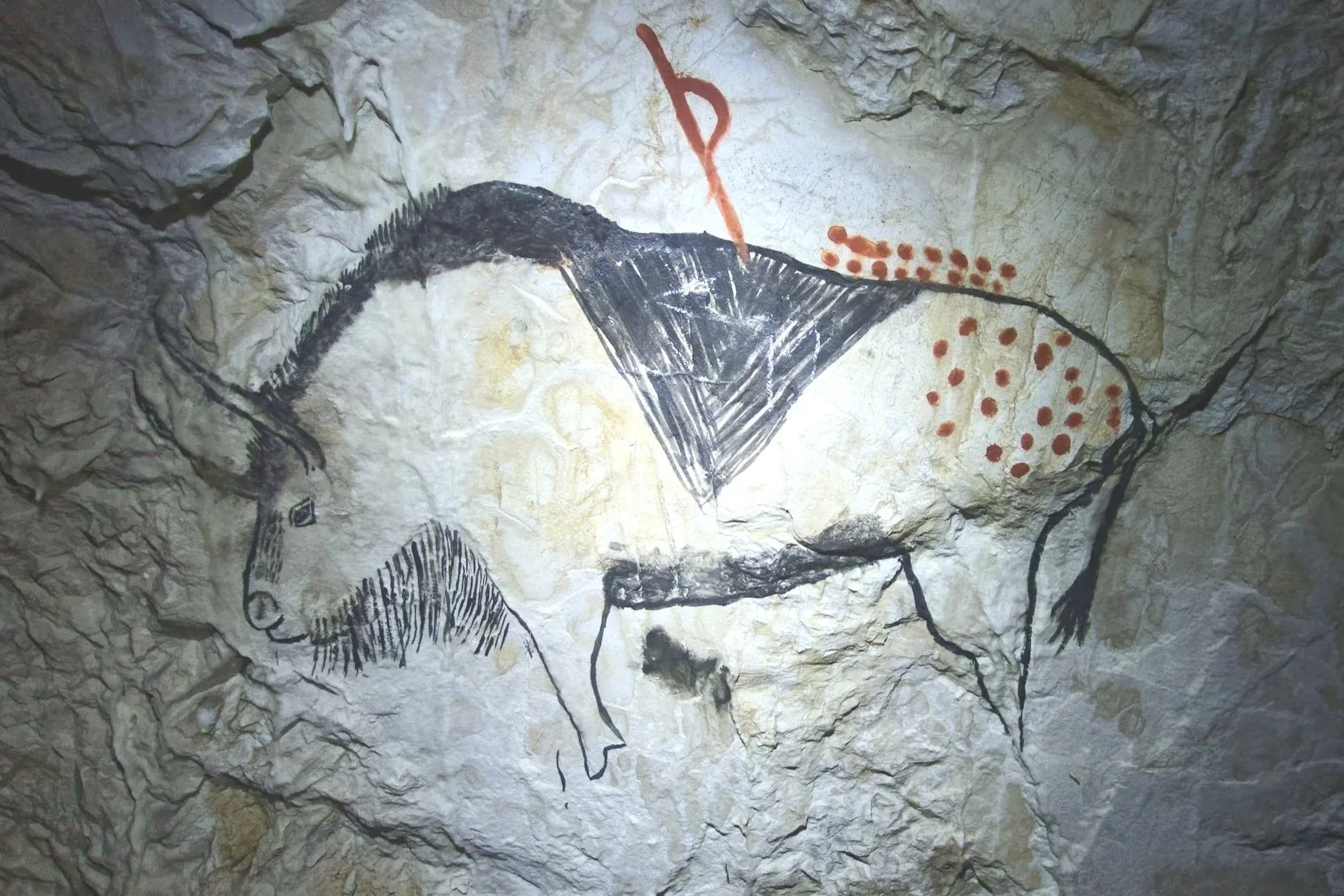
Les Grottes Lascaux - Visite Virtuelle
Material cultural heritage
A Level French students, for example, explore cultural heritage as an expression of identity and explore its role in building social cohesion, as well as its economic and educational significance. Virtual visits to sites such as Notre-Dame, The Grottes Lascaux, and the Louvre enable students to critically examine the role of monuments, artefacts and museums in shaping national identity and collective memory, and to consider contemporary questions surrounding funding, preservation, and overexploitation of historical sites.
Visita virtuale: Il Carnevale di Venezia

Online film showings, soundtrack screenings, live film and literary lectures.
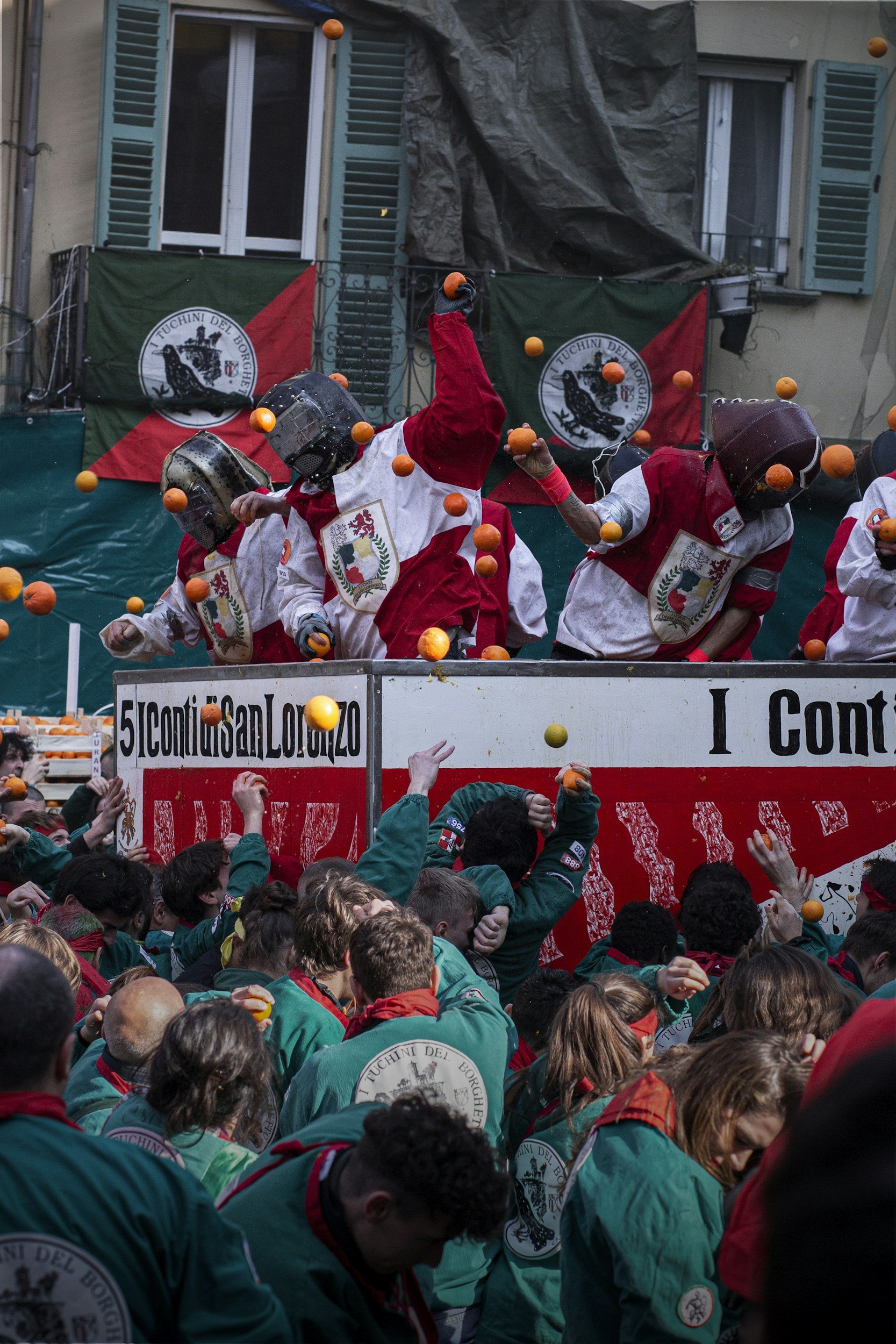
Visita virtuale: La Battaglia delle Arance, Ivrea.
Immaterial cultural practices
Students also engage with immaterial cultural practices, including Francophone music, literary events and lectures, film screenings, and cultural festivals. Live performances of Francophone music festivals connect students with French music genres and encourage critical reflection on the relationship between French-language music, and national or regional identity, linguistic and cultural heritage, and its place within a commercial and globalised context.
Virtual visits to the Carnevale di Venezia and the Battaglia delle Arance invite students to explore how festivals express historical traditions and contribute to national or regional identity, while also considering the challenges posed by globalisation and cultural change. Online lectures, screenings, stage performances and commentaries on prescribed films such as ‘La Haine’, ‘Cinema Paradiso’ or ‘La vita è bella’ enrich understanding and encourage advanced literary and critical analysis.
These experiences invite reflection on traditions, beliefs, and artistic expression as dynamic forms of cultural identity and support sustained cultural engagement alongside linguistic development.

Le Louvre, Paris - Visite Virtuelle

What does it mean to study as an independent candidate?
Students may choose to study French or Italian as independent candidates for a variety of reasons. Sometimes schools are unable to offer Italian GCSE or A-level, or timetabling conflicts may make it difficult to pursue French. Some candidates may be native or semi-native speakers seeking formal qualifications, while others may be motivated by a deep personal desire to study these beautiful languages and their fascinating cultures.
Practical Support for Independent Candidates
LinguaThinking offers guidance with the following:
Liaising with families and schools to discuss special educational needs.
Assistance in finding approved exam centres where necessary and understanding requirements
Support with special access arrangements and exam registration.
Detailed progress reports and parent consultations.
Liaison with schools to communicate UCAS predicted grades.
Support for native and bilingual students
LinguaThinking supports native, semi-native and bilingual speakers preparing for GCSE, IGCSE, A-Level, and IB exams. This guidance draws on longstanding experience teaching native speakers of French and Italian, including the design and teaching of IB Language A in Italian (equivalent to A-Level Language and Literature) providing instruction for advanced students in sophisticated literary, cultural, and linguistic analysis.
Specialised support for native speakers at GCSE, A Level and IB often focuses on:
Advanced written expression and awareness of higher level structures
Phonological interference (spelling errors resulting from reliance on pronunciation)
Essay-writing skills
Developing literary, critical, and cultural analysis